



 Suman Sekhar
November 11, 2024
Salesforce Health Cloud
Suman Sekhar
November 11, 2024
Salesforce Health Cloud
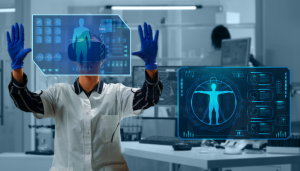
As the U.S. population ages, home healthcare delivery is rapidly shifting from hospitals and clinics to the home. This transition is driven by a growing elderly population, advancements in home healthcare technology, and the need for more personalized, cost-effective care. With the integration of EHR systems and telehealth services, what was once seen as a temporary solution for recovery is now becoming a core component of long-term elderly care technology, especially for the aging U.S. population.
Some cloud-based solutions, like Salesforce EHR integration, play a significant role in this shift by enabling seamless access to patient records and enhancing care coordination. By 2030, all baby boomers—about 73 million people—will be 65 or older, and by 2040, the number of Americans aged 85 and above will nearly double to 14.4 million. As the population ages, the demand for home healthcare software and services increases, particularly for chronic conditions like diabetes, heart disease, and dementia.
The U.S. is witnessing a demographic shift. By 2030, all baby boomers—about 73 million people—will be 65 or older, and by 2040, the number of Americans aged 85 and above will nearly double to 14.4 million. This aging trend fuels demand for home healthcare technology and services, especially for managing chronic conditions like diabetes, heart disease, and dementia.
However, healthcare facilities are often stretched thin, both in terms of capacity and resources. Home healthcare software offers solutions that ease the burden on hospitals and nursing homes, providing care in a personalized and comfortable setting. The U.S., as highlighted by the Centers for Medicare & Medicaid Services (CMS), is seeing that the home healthcare market is projected to reach $240 billion by 2027, up from approximately $100 billion in 2021, underlining the growing reliance on elderly care technology.
Medicare plays a pivotal role in making geriatric telemedicine and home healthcare software accessible to elderly individuals preferring at-home care. Notable Medicare programs include:
Technology is revolutionizing home healthcare software and delivery, enabling more efficient and accessible care. Advancements such as wearable devices and geriatric telemedicine reshape how healthcare providers monitor patients, diagnose conditions, and coordinate care from a distance.
Home healthcare provides advantages for patients and the healthcare system, including:
Despite its benefits, home healthcare technology faces challenges:
With technological advancements and increased Medicare support, home healthcare technology is poised to be the preferred care method for aging Americans. By 2027, the U.S. home healthcare software market is projected to reach $240 billion, driven by wearable devices, telemedicine, and patient-centered care.
Technology like wearable devices integrated with elderly care technology and EHR systems will provide real-time health data for proactive interventions. Telemedicine will improve access, enabling seniors to receive quality care without leaving home.
As home healthcare technology evolves, it is set to deliver personalized, cost-effective care that respects the independence and dignity of aging Americans.